ForeCite will take the raw manuscript of your scientific article, analyze every sentence you've written against our database of millions of citations, and tell you, for each sentence, the best articles to cite.
Ever wanted to know what other researchers have said when they cite your paper?
We have over 3.4 million scientific papers indexed and over 7 million citation contexts, see if yours is one of them and find out what others say when they cite you.

Scientific communities are small, and you may indeed know the key players in your field. But science is big, and increasingly interconnected. ForeCite helps you see the entire body of work related to your research area, regardless of which journals and what fields that work is published in.
ForeCite helps you discover what the whole scientific community has written about any particular concept.

Because ForeCite examines your entire paper, and provides suggestions that you may not have even considered, you can rest assured that you are not missing any important references and that your paper is as embedded within the scientific discourse as possible.
The average scientific article has 34 citations. ForeCite can help make sure you have all the ones you need.

Over 60% of scientific authors measure the amount of time it takes them to do literature reviews and find the right sources in weeks and months. That's a lot of time that could be spent doing research.
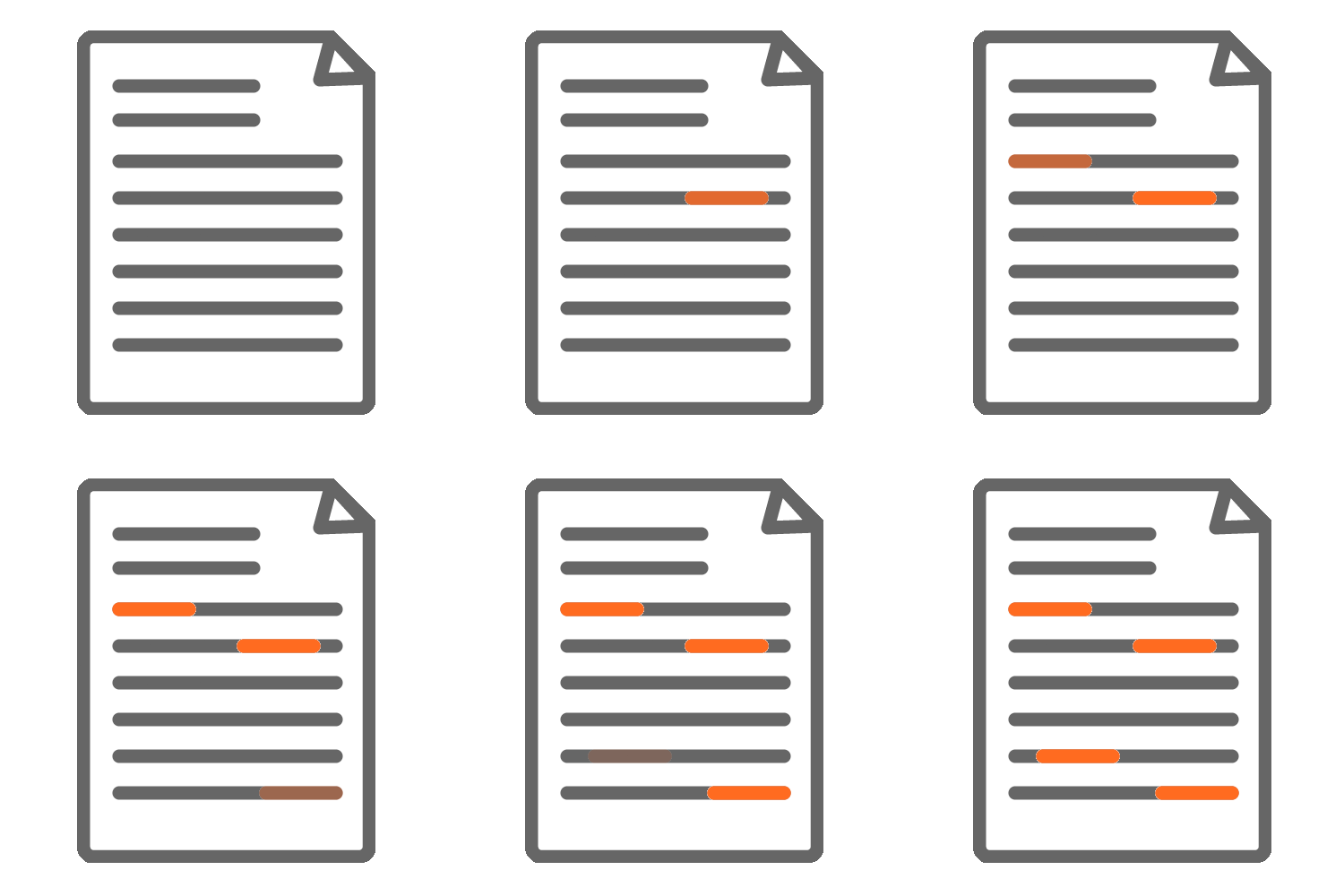
ForeCite takes a first pass at your manuscript to suggest which sentences might need a citation and gives you multiple options for who to cite.
We're hard at work creating the best citation analysis and suggestion service possible. We want to make sure it works as comprehensively and quickly as possible before we open it up to the general public. If you would like to help us out by becoming a beta tester, please send us an email.
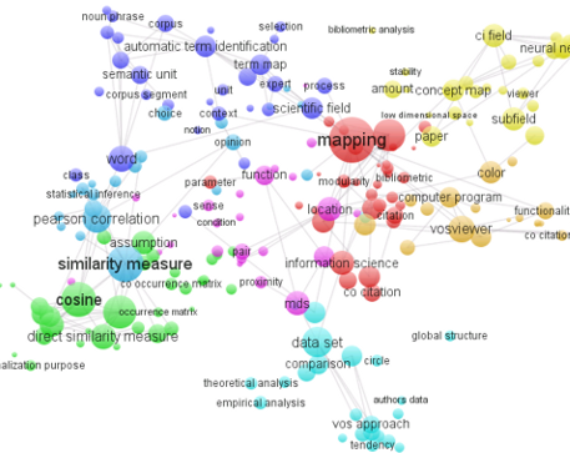
There are a few technical challenges involved in extracting the text around scientific citations. First there is the question of understanding the appropriate level of context needed around each citation, then there is the issue of understanding the semantic meaning of the words and classifying citations by their likely intent.
This is the heart of the problem. A lot of research and math has gone into developing algorithms that can accurately aggregate multiple citations to the same document, create confidence scores, and use those scores (among other vectors) to retrieve the best citation for any given string of text. It's a hard nut to crack, involve things like variable length Markov learning processes, symmetric positive semidefinite matrices, and lots and lots of math.